

Before I regale you with tales of my New York trip, an invitation! Join me and Mark Miller, author of the popular RetirementRevised Substack, for a discussion about the Medicare decisions you can’t afford to get wrong. We’ll go live on Wednesday, October 14 at noon ET. You can add it to your calendar or watch here.

My media strategist Kelsey and I recently spent a few days in Manhattan. Since my MoneyTrack days on PBS, I’ve enjoyed collaborating with Wall Street journalists who share my mission to help people make better money decisions.
Kelsey lined up several meetings with some of the country’s top financial journalists and kept us moving. My job? Ask good questions, listen to what’s on their minds, answer their queries, and try not to make us late. (We gave NY cabs a good workout).

Our whirlwind included Barron’s, Bloomberg, CNN Business, and The New York Times, plus an interview with Paula Pant of Afford Anything. The Paula Pant interview was on-camera so, yes, I had the hair and makeup squad working overtime.
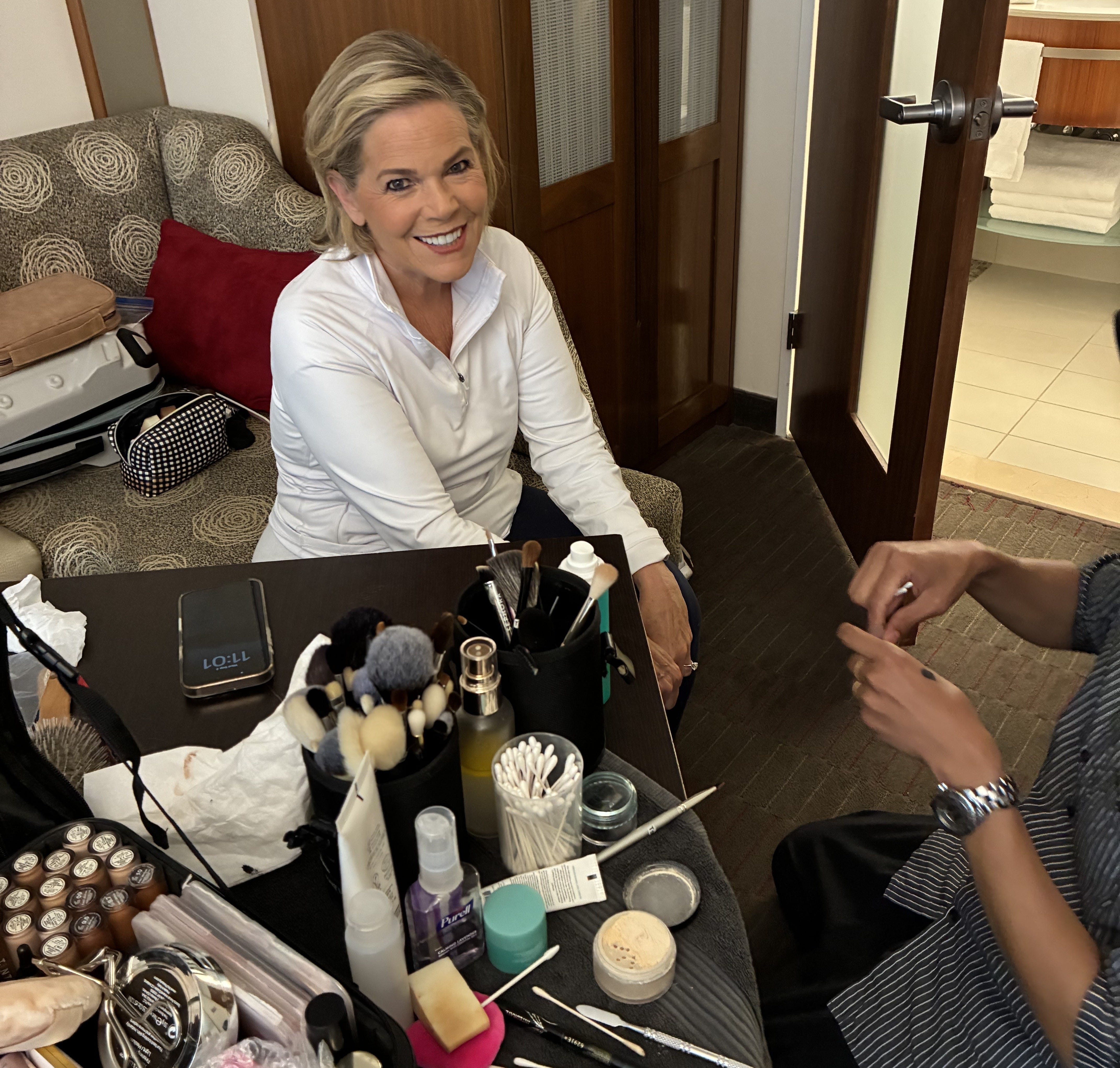
We squeezed in a dinner at Nobu and Bellinis at Cipriani, too. All business, of course.
But here’s why I’m sharing all this with you.
What Are People Most Worried About Right Now?
At Wealthramp, I’m hearing directly from people wrestling with the same issues financial journalists are investigating.
Inflation has stabilized for now at about 3.4% a year, but grocery and gas prices haven’t gone backward. AI has individuals with retirement plans worrying they have too much money invested in a handful of hyperscaler companies, through stocks and bonds inside their 401(k)s.
Then there’s the push to sprinkle new ‘private investments’ into those same workplace retirement plans. They can be complex, expensive, and difficult for even experts to value. Will they really benefit employees? We know they benefit the brokers selling them.
Which brings me to Ron Lieber at The New York Times.
America’s Top Financial Advisors? Says Who?
Ron and I spent time discussing how consumers choose financial advisors, which is something I care about deeply. It’s also the reason I created Wealthramp.
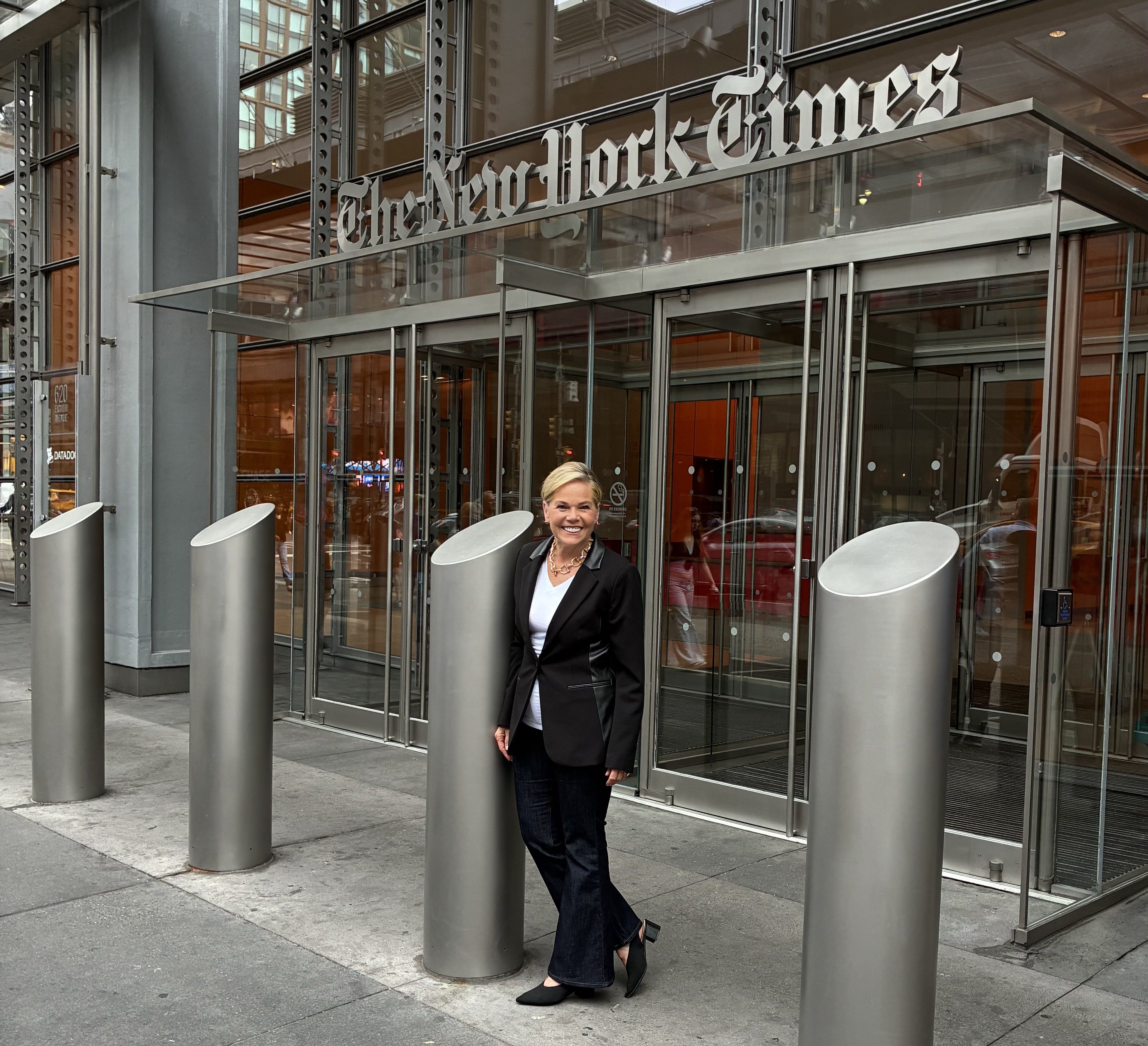
Our conversation followed the messy recent story involving Forbes and SHOOK Research, the firm behind Forbes’ advisor rankings.
Reports revealed a $6 million payment involving SHOOK’s founder and a former Forbes editor. Forbes suspended its rankings and related events for the remainder of 2026. Remember, Forbes is a 100-year-old respected financial publication.
Both organizations maintain the payment didn’t influence the rankings. Can you see my eyebrow raising?
The whole episode only reinforces what I’ve been saying for years. Why are we ranking advisors instead of carefully vetting them?
We rank restaurants, hotels, and college football teams. Fine. But financial advisors? The best advisor for whom? Ranking financial advisors is like ranking prescription eyeglasses. A thousand people can vote for the best pair in America, but what good are they if you can’t see through them? Your eyesight is unique.
A couple nearing retirement with $500,000 saved? A highly paid executive with stock options? A family running a successful jewelry store? A divorced mom trying to make her money last another 25 years?
They don’t need the same advice, much less the same advisor.
The Problem With Those “Best Advisor” Lists
No one even reports if a No.1 advisor in the US has conflicts of interest, or can know whether they have the expertise to help someone in your particular circumstances.
And here’s something I bet will surprise you. You probably assume those “Best Advisor” rankings are based on investment performance. They’re not. And they shouldn’t be.
That’s because performance shifts with the markets. Performance is fickle and past returns looking in the rear view mirror tell you very little about whether an advisor is right for you.
According to Forbes and SHOOK Research’s own 2026 methodology, rankings factor in how much money advisors manage, the revenue they generate, and how well they retain clients. More than 52,000 advisors were nominated.
My message to Ron was simple. Let’s stop ranking and instead start vetting. Consumers should screen out any advisors with red flags. Then screen in only the ones who fit your priorities.

The financial industry loves rankings, awards, and headlines that scream, “We’re number one.” But the people I talk with want to know whether they can retire, whether their savings will last, and whether they can trust the person advising them.
So the next time a financial advisor tells you they’ve been named one of America’s best, congratulate them. Then start asking the right questions.
Oh, but there’s one thing I can rank: The best Bellini in New York! It’s Cipriani! Hands down.
And I’m perfectly willing to conduct additional research. Andiamo!
P.S. You can always connect with a vetted, fee-only advisor at Wealthramp. Just take our 2-minute survey.